A rage room is a space where you put on protective gear and break plates, bottles and old electronics on purpose. The appeal is obvious — it's loud, physical and over in fifteen minutes — but sessions cost money, need booking and usually mean a trip across town. So it's natural to wonder: can you just do it at home?
Sometimes, yes. But it takes more preparation than most people expect, and there are a few things you should never break. Here is how to do it properly, what to use instead if you can't, and a free option that takes zero preparation.
The quickest option: a virtual rage room
If you just need to blow off steam right now, open a game. These run in your browser on phone or computer, cost nothing and leave nothing to clean up:
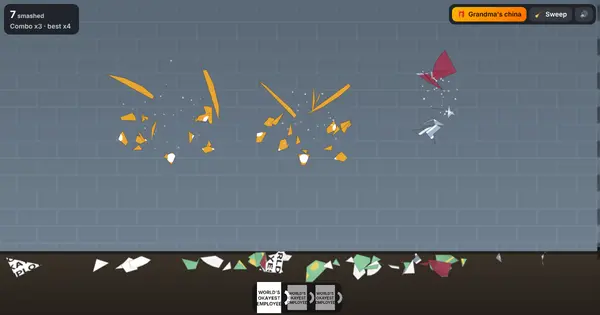
Plate Smash is the closest to the real thing — you throw plates, mugs and vases at a wall and watch the pieces pile up on the floor. For a bigger list, see our virtual rage room page.
Setting up a DIY rage room: what you need
1. A space you are allowed to wreck
A garage, an empty shed or a backyard corner with a hard floor is ideal. You need room to swing, nothing valuable nearby and a floor you can sweep. Indoors in a flat, with neighbours on the other side of the wall, is a bad idea — both for the noise and for the tiny shards that will turn up for weeks.
2. Protective gear
Eye protection: safety glasses at the very least; a full face shield is better.
Thick gloves (leather work gloves or cut-resistant gloves).
Long sleeves, long trousers and closed, sturdy shoes.
Optional but sensible: a helmet and ear protection.
3. Something to break things with — and into
A sturdy wooden or metal bat, a rubber mallet or simply your throwing arm. Many people throw into a large heavy-duty bin or a cardboard box lined with a tarp, which keeps the pieces in one place. Laying a tarp over the whole area makes cleanup much easier.
4. Things that are safe to break
Thick ceramic plates, bowls and mugs (thrift stores sell them for very little)
Terracotta flower pots
Old ceramic tiles
What you should never smash at home
Screens, TVs and monitors — old CRT TVs contain hazardous materials and modern screens can shatter into sharp fragments.
Anything with a battery — damaged lithium batteries can catch fire.
Fluorescent tubes and energy-saving bulbs — they can contain mercury.
Thin glass and mirrors — they break into long, very sharp slivers that fly further than you think.
Aerosol cans, gas canisters or anything that held chemicals.
Professional rage rooms handle these items with proper ventilation, disposal and training. At home, leave them out.
Cleaning up
Keep your gloves and shoes on. Sweep the large pieces first, then go over the area with a stiff brush and a vacuum for the small ones. Wrap shards in newspaper or put them in a strong box before they go in the bin, and label it so whoever empties it doesn't get hurt. Check your local rules — some areas want broken ceramics and glass handled separately.
Gentler alternatives that still feel good
Rip up old paper or cardboard boxes. Surprisingly satisfying, and recyclable afterwards.
Go for a fast walk or a run. Moving your body is one of the simplest ways to burn off tension.
Squeeze something. A stress ball, or our online fidget toys if your hands just need something to do.
Real rage room vs DIY vs virtual
Real rage room
DIY at home
Virtual
Cost
Paid per session
Gear + things to break
Free
Preparation
Booking, travel
Space, gear, tarp
None
Safety risk
Low (supervised)
Depends on you
None
Cleanup
Done for you
Yours
Press a button
Physical release
High
High
Low
Smashing things is a way to let off steam, not a treatment. If anger or stress is affecting your relationships, work or health, talking to a doctor or a qualified professional is the best next step.
Frequently asked questions
Can I make a rage room at home?
You can, if you have a space you are allowed to make a mess in, the right protective gear and things that are safe to break. For most people living in apartments or shared homes, a virtual rage room or a softer alternative like tearing paper is far more practical.
What is safe to smash at home?
Thick ceramic plates and mugs from a thrift store, old flower pots and terracotta are the usual choices. Avoid anything with a screen, battery, gas, chemicals or thin glass, which can cause serious cuts or release hazardous material.
What protective gear do I need?
At minimum: safety glasses or a face shield, thick gloves, long sleeves, long trousers and closed shoes. Real rage rooms also use helmets and overalls.
Is there a free alternative?
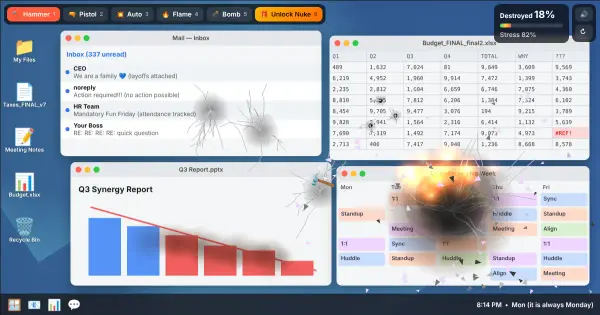
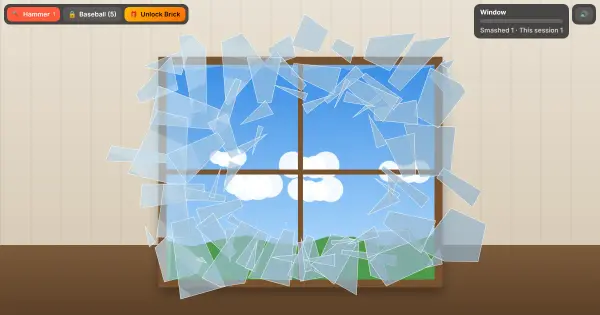
Yes. A virtual rage room like Plate Smash, Office Wrecker or Glass Smash gives you the same smashing sounds and visuals in your browser with no cost, no cleanup and no risk.